

For a lot of first-time silencer buyers, the hardest part of getting into silencers is not figuring out if they want one. It is figuring out where to start.
While it is usually simple enough to find a silencer that matches your firearm’s caliber, it is not always just about caliber. There’s mounting hardware, muzzle devices, different materials, and silencers built in totally different ways.
At Down Range Guns & Ammo, we are here to make that process a lot easier to understand. Whether you are trying to figure out what best fits your setup or just want help navigating the NFA side of things, we are here to walk you through it.
Silencer Compatibility Is Only the First Layer
Lets say your looking for a pistol silencer. The HUXWRX FLOW 9K could be a great candidate if the focus is suppressing a 9mm handgun up to even some 300 Blackout set ups. But if you’ve got some larger caliber guns in the collection in need of suppression, there might be a silencer that can handle a bit more.
For example, you might also have a lever gun back home chambered in .45/70. If you are ready to ball out and bring home two silencers, we are all for it. But if you are just dipping your toes in the water, something like the SilencerCo Hybrid 46 starts to make a lot of sense. It can be configured with a rifle-focused mounting system for the lever gun or a piston mount for that same 9mm host. That is where the decision starts to become less about caliber alone and more about how much flexibility you want out of one silencer.
Understanding Mounting Types
There are a lot of ways to mount a suppressor, and that choice can shape far more than people expect. Some setups are built around simplicity. Others are built around speed, flexibility, or getting a specific host to run properly. Before getting too deep into individual silencers, it helps to understand the main mounting types you are likely to run into and what each one is actually meant to do.
Direct Thread
This is the simplest option. The suppressor screws directly onto the threaded barrel, with no separate muzzle device acting as the mounting point. That makes direct thread a strong choice for someone who wants a straightforward setup, fewer moving parts, and as little added cost as possible. It usually makes the most sense when the suppressor is going to live on one host most of the time.
Bravo / HUB Mount
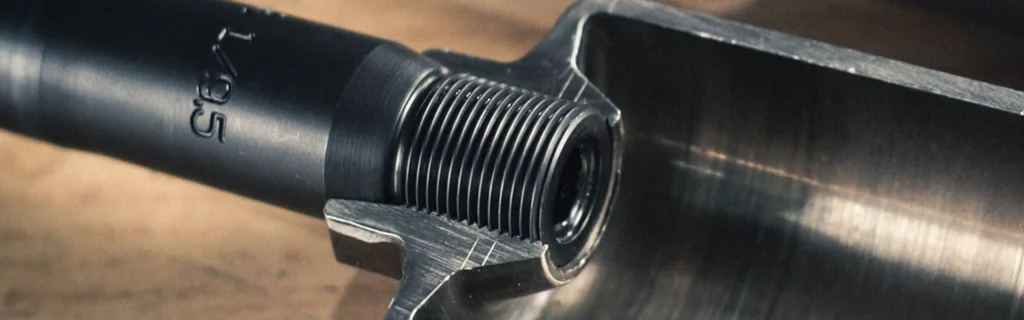
Bravo is not a mounting system by itself, which is where a lot of folks get tripped up. It’s atually a standardized rear thread pattern on a suppressor that allows different mounts to be installed. In practical terms, a Bravo-compatible suppressor gives the buyer options. It might be set up with another compatible mount or even mix mount and suppressor manufacturers depending on what you want the suppressor to do. If someone wants the freedom to change mounting styles later, Bravo is usually a good thing to have.
QD Systems
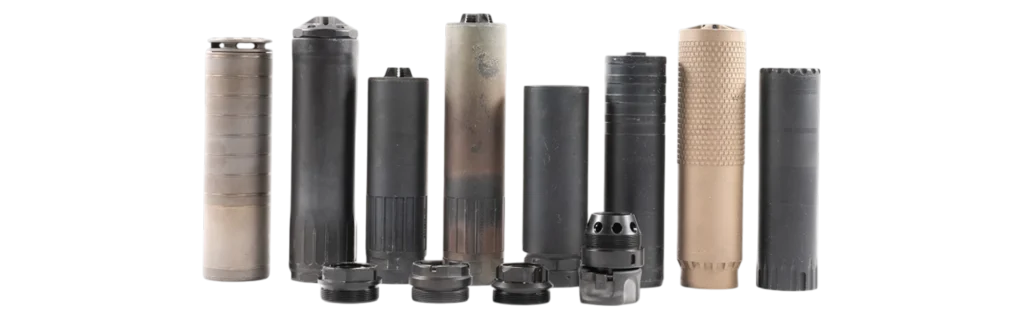
QD stands for quick detach. These systems use a compatible muzzle device, usually a flash hider or muzzle brake installed on the rifle, as the mounting point for the suppressor. They make the most sense for someone who wants faster on-and-off use or plans to move one suppressor between multiple rifles.
- ASR (Active Spring Retention), SilencerCo’s QD system, which uses ASR muzzle brakes or flash hiders as the mounting point.
- KeyMo, Dead Air’s QD system, which also locks onto a dedicated muzzle device and is often chosen for its secure, repeatable feel.
- SureFire Fast-Attach, which uses SureFire SOCOM muzzle devices as the mounting point and is built around quick, tool-less attachment.
The tradeoff with QD systems is that the convenience usually comes with added cost, because each host needs the right muzzle device to match.
Piston Mounts
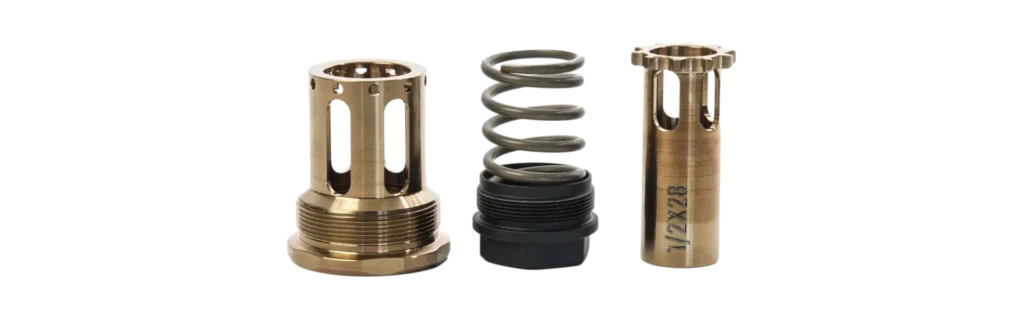
Piston mounts are most commonly used on threaded handguns. On many pistols, this is not just about convenience. It is part of getting the gun to run correctly with the added weight of the suppressor. A tilting-barrel handgun often needs that piston-and-booster setup to cycle properly, which is why pistol mounting is really its own category.
Material Makes a Difference
Material matters because it affects more than the spec sheet. It changes weight, balance, durability, and how well a silencer fits the job it is being bought for. Titanium can be very appealing when keeping a rifle light matters. Stainless steel is often a strong starting point for buyers who want durability and value, especially if budget is part of the decision. Inconel tends to make more sense in heavier-use rifle setups where heat is a bigger concern.
Those materials also matter because they shape how a silencer can be built in the first place. As more manufacturers lean into 3D printing, materials like titanium, stainless steel, and Inconel are being used in more intricate internal designs that would be much harder to produce with older methods. That has opened the door to silencers built with very different priorities, whether the goal is reducing weight, managing heat, cutting back pressure, or doing a better job balancing all of those things at once.
Why Silencer Design Matters
Traditional baffled silencers are still the starting point for much of the market. Baffled silencers use a series of internal walls and chambers to slow down and redirect gas before it exits the suppressor. Newer materials and 3D printing have opened the door to more advanced internal suppressor designs.
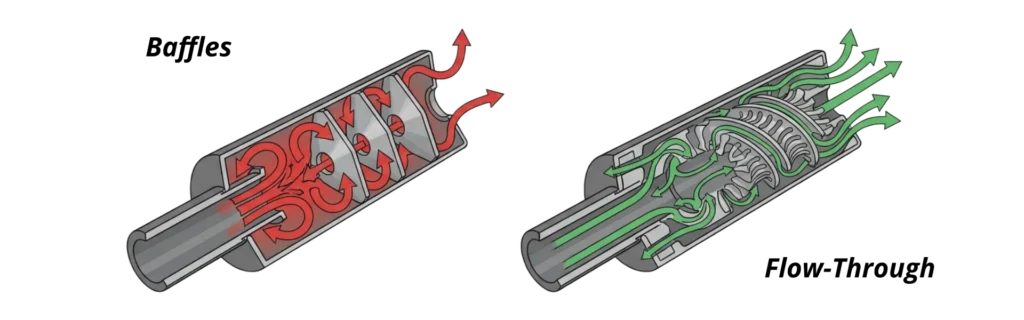
That is where flow-through silencers come in. Rather than managing gas the same way a more traditional baffled design does, they are built to reduce backpressure by letting more gas continue forward and out of the suppressor instead of trying to contain as much of it inside. On the right rifle, that can mean less gas to the face, less fouling, and a more comfortable shooting experience overall.
A Simple Way to Narrow It Down
If you are trying to make sense of all this, it usually helps to keep the decision centered around a few basic questions:
- What firearm do you care most about suppressing first?
- Do you want a dedicated setup, or something more versatile?
- How important are weight, budget, and long-term flexibility?
Those answers will usually tell you more than comparing a long list of silencers all at once.
The Bottom Line
You do not need to know everything before you start. You just need to know what you want to suppress now, what else you may want to cover later, and what kind of setup makes the most sense for your goals.
If you are seriously considering a silencer, stop by and talk it through with us. We keep a wide selection on hand for different calibers, host firearms, and use cases, and we are always happy to help make sense of mounting, compatibility, and what will work best for your setup. You are always welcome to give us call too. We are happy to answer questions over the phone and help point you in the right direction.
Latest Arrivals
-
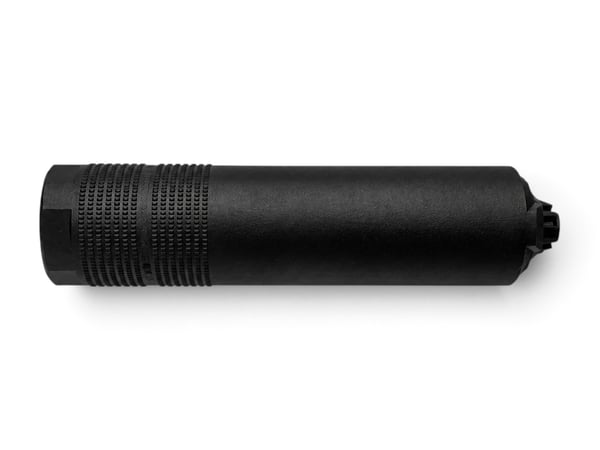
SOF 762 HUB 30 CAL Suppressor, Inconel, Black
$1,049.00 -
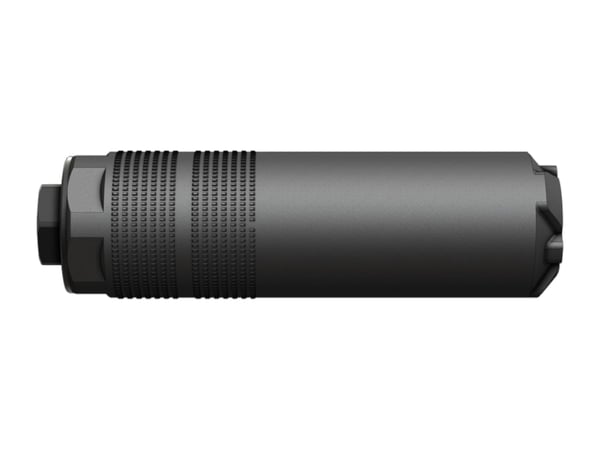
SOF 556 Suppressor HUB, 718 Inconel, Black
$1,099.00 -
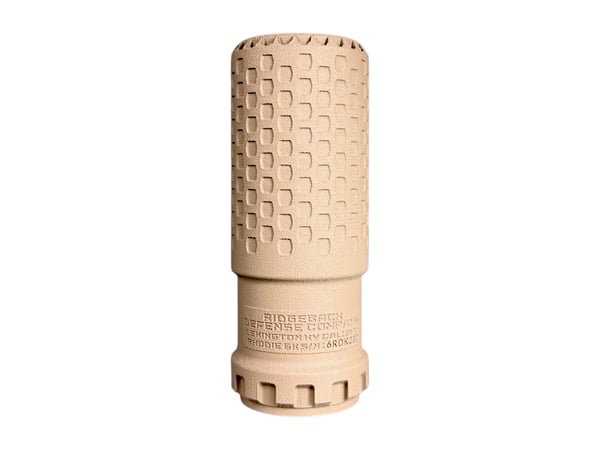
Ridgeback Defense Rhodie 6K 6mm/5.56 Suppressor, FDE
$899.00 -
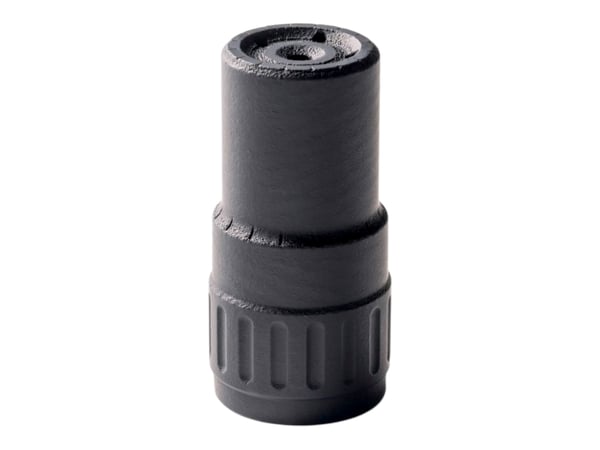
Stealth Additive Tisha Ti .30 CAL Suppressor, BLEM, Black | No DT
$899.00 -
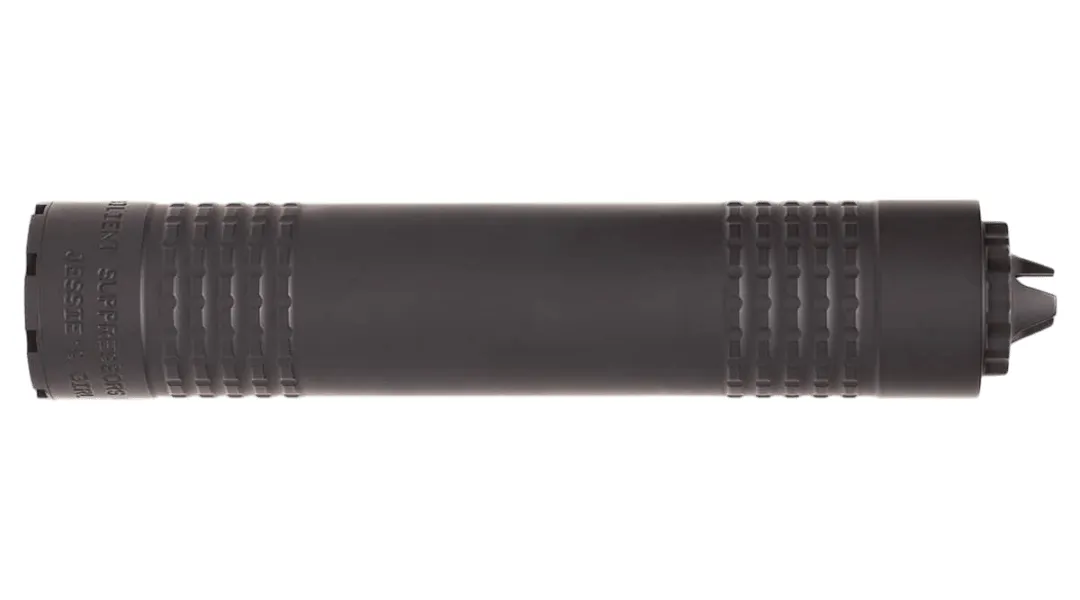
Resilient Suppressors Jessie’s Girl .22LR Suppressor
$299.00 -
Stealth Additive Works Tisha Inconel 5.56NATO Suppressor, Tan
$899.00 -
Dead Air RXD22TI Suppressor + RXD674 Brake
$499.00 -
Liberty Precision Machine Mach-S Ti .30 CAL Suppressor 5/8×24
$900.00
